
I had severe HG at 5 weeks which continued throughout my pregnancy. I experienced over 20 vomiting episodes a day, repeated hospital admissions, and limited relief from medication. The constant nausea and isolation led to depression and the belief that death might be the only escape. Significant hardships occurred when I lost a close friend and my mum got a cancer diagnosis. But I completed my degree and had a healthy baby. The trauma remains, influencing future family decisions. My experience shows how HG is debilitating, misunderstood, and forgotten about once the baby arrives, although its impact never leaves.
How it began for Kaya
I was in my last year of university when I experienced HG. I got pregnant only 2 months after a miscarriage. One week was all I had to enjoy my pregnancy before the vomiting started. Maybe it would only last a few weeks, I remember thinking. I was wrong.
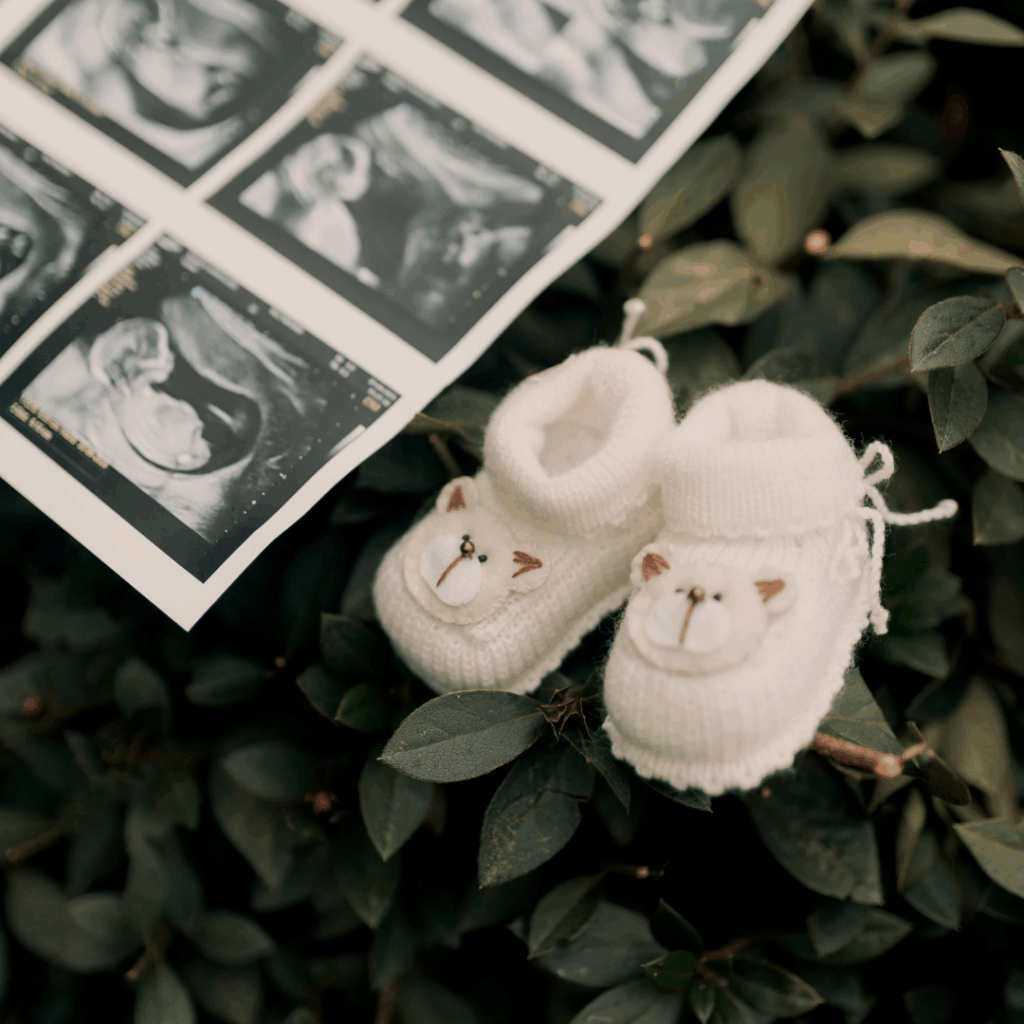
Countless hospital visits and drips later, I couldn’t see the end. HG is indescribable. Vomiting 20+ times a day, including black bile. Something as small as the sound of a door closing induces nausea.
If this were you
Too weak to hold yourself up, you lie on the floor hanging on to the toilet bowl. Somehow, you find comfort in this position. You can enjoy the few moments of relief without having to run to the bathroom before it hits again. You feel as though you could stay there forever, that it will stop eventually, but it does not. You know in the back of your mind that you have to go to A&E, again.
You sit in the waiting room with your head buried in a disposable bowl until the smell of your own vomit makes you throw up more, so you move on to the next bowl. Finally, you are sent through, but it is just triage. You hold in your vomit while your blood pressure is taken, and you answer the same questions for the fifteenth time. Then, you wait more with your head in a bowl.
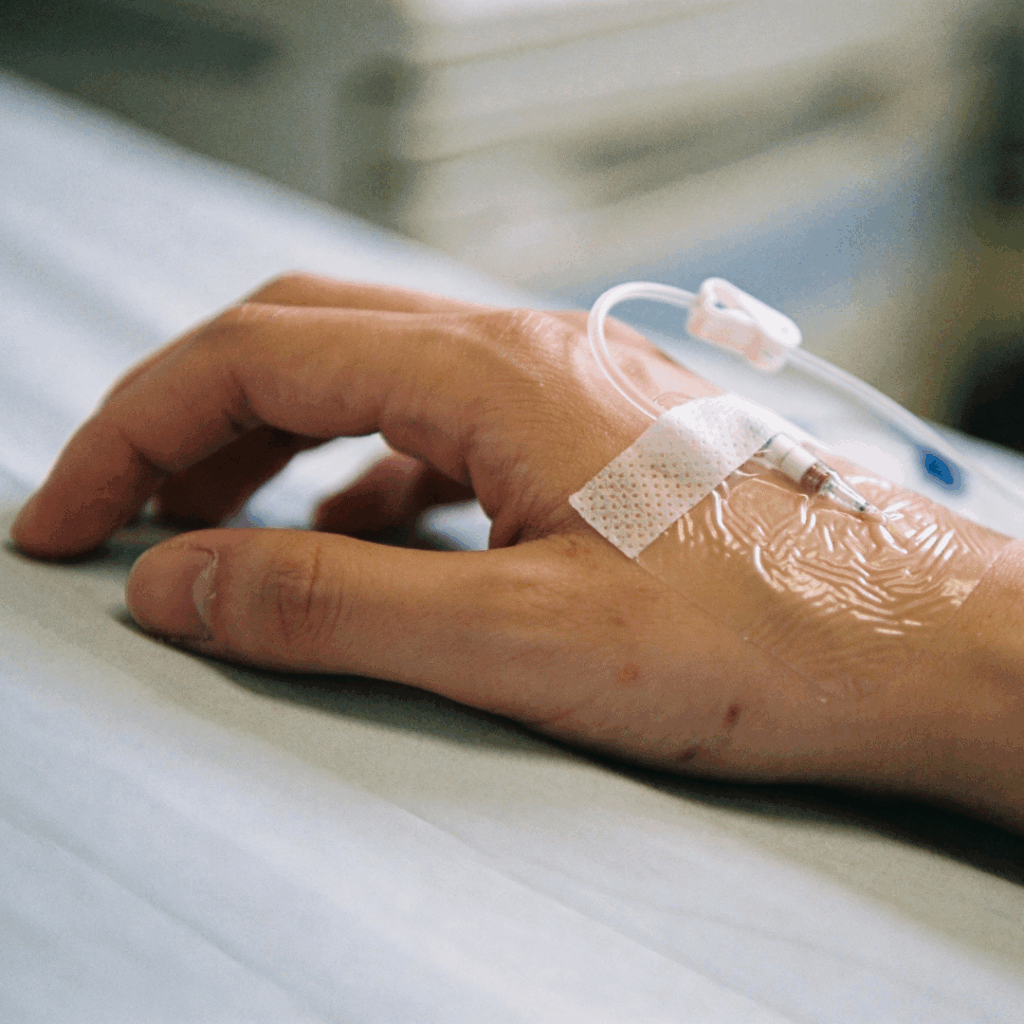
Finally, you get a bed. You offer your bruised, pin-pricked arm for the nurse to put in a cannula. Since you have had so many, your veins keep collapsing. Once it is in, you wait for antiemetics with your head still in a bowl, crying and begging for relief. The nurse arrives with cyclizine. Even though your notes say cyclizine does not work for you, the nurse insists. You are desperate, so you accept. It makes your head spin and induces more vomiting. Your partner cries in the corner of the ward, saying this is too much. You can barely talk as it makes the vomiting worse, and your throat feels eroded from stomach acid. Finally, they bring ondansetron. Relief starts to surface.
You stay for three days, filled with anxiety every time your partner says he has to go. You are left trying to fall asleep to the sound of alarms and machines beeping. It’s the most alone you have ever felt. You finally come home, have a few days of relief, until the cycle repeats. Eighteen more times.
Are you okay? No.
It is hard to imagine what hyperemesis gravidarum looks like if you do not see it. On days when I had just gotten back from the hospital and was relatively okay, I would see friends and family and hear, “Are you okay now?”
Part of me could never tell the entire truth, that no, I was not okay. During my HG pregnancy, I lost a close friend and my mum had breast cancer. The word okay was not in my vocabulary.
My partner also found it hard to admit I wasn’t okay. He would tell everyone I was doing much better, knowing it was not true. I understood. I wanted to convince myself, too. HG stripped away any enjoyment that could exist at the prospect of having a baby. I was beyond survival mode; I was merely existing.
Partners suffer, too.
Although my partner stood by me physically, I had never felt so mentally alone. I convinced myself I was going to die in childbirth. I found some relief in the idea that only then would I be free of HG. At nearly 9 months, I could not imagine life without it. I did not let it show. I showed up when I could, put on a smile for people, and downplayed everything.
Steroids and anti-sickness meds kept me alive and made me feel unrecognisable. I know people noticed and talked about my appearance. I was mostly too sick to care. But embarrassment lingered. The rapid weight gain from steroids and the “steroid belly” left my body covered in stretch marks, a permanent reminder of what I endured.
My daughter…and when will you have another?
My beautiful baby was born on December 12th. As the days went on, everyone seemed to forget what I went through, almost like it never happened. At 10 months postpartum, I was asked when I will have another baby. I say “3 or 4 years since I was quite sick, you know.” Downplaying it once again, giving the most acceptable answer.
The truth is, I cannot simply decide to have another baby. I must consider going through all that again while caring for my child. Not only asking can I cope, but is it fair on my daughter to witness her mother in such a state? To spend so much time away from her mum if I need to be in the hospital. Can I endure 9 months of debilitating sickness and depression again? HG has taken my dream of having a big family, although it has not taken my future.
Graduation
Between hospital visits, somehow, I wrote my dissertation, allowing me to walk across the graduation stage at 8 months pregnant. Holding in the vomit, but with a sense of achievement. It was the most positive I felt in my pregnancy.
My final words
HG is an experience that can never be understood by someone who has never had it. For many women, it is the hardest time in their lives. It should not be dismissed, downplayed, or forgotten. My pregnancy with HG will never leave me.
GET INVOLVED
